If a central heating radiator fails to warm up, there may be air trapped inside it. Use the special square socket radiator bleed key to loosen the vent and allow air to escape. Hold a cloth under the vent to catch any water as the air is cleared and then re-tighten the vent.
Another cause of cold or unevenly heated radiators is sludge collecting in the base of the radiator. The radiator will have to be removed and cleaned out, but it is a sign that the whole system needs flushing through with clean water, and that a special anti-corrosion fluid should be added to prevent future problems. This fluid is added to the small feed and expansion tank in the loft.
Pinholes in steel radiators are a sign of internal damage. An isolated pinhole can often be sealed by the addition of a special radiator sealing fluid run into the system. But the trouble suggests that all the radiators may be affected by internal corrosion and that the whole system may need flushing through with a radiator-sealing fluid.
White paint on radiators often tends to discolour with the heat. The answer is to use a special radiator paint which contains pigments better able to withstand heat without discolouring.
Screwfix is the UK's largest direct and online supplier of trade tools, accessories and hardware products. To view their range of radiators customers can visit the website here: http://www.screwfix.com/c/heating-plumbing/radiators/cat830960.


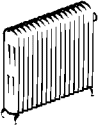
 Radiator Pinholes