Is the grass greener over your septic tank than the surrounding area? Worse, still, are your drains backing up or smelling foul? If so, call a cleaning service and have your tank pumped out immediately.
If it's too late and your system backs up, whatever you empty or flush down a drain will back up into your lowest plumbing fixtures. (Don't add water - it will only make matters worse.) Your bathroom drains may seem clear, but if you use them, you'll cause an awful mess in any ground-floor sinks.
If the cleaning service can't come at once, a plumber may be able to dig down and break up the layer of semi-solid scum blocking the tank's inlet pipe, giving you what will probably be tem-porary restricted use of the plumbing.
Prevention
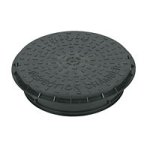
If possible, measure the level of solid waste in your septic tank regularly by removing its cover and probing with a long pole. A dark stain on the pole's end deeper than 12-18in/300-450mm means the tank needs pumping out. Generally, it should be emptied every 2 to 5 years (depending on the size of your tank and your family's plumbing demands), but have it checked in the first year.
Keep all chemicals, including drain cleaners and commercial tank-cleaning compounds, out of your septic system.
Instead of chemical bowl cleaners, add a gallon of vinegar to the water in the toilet bowl; let it sit for a few hours, then flush it away.
To keep the decomposition process active, flush an ounce of dry yeast down the drain monthly.
Don't pour liquid fat or grease down the kitchen drain.
Never introduce cigarette ends, facial tissues, newspaper, paper towels, sanitary towels or any kind of wrapping material into your septic system.


 Septic Tanks